If you've ever wondered how Greeks eat so many vegetables and actually enjoy them, the answer is ladera (λαδερά). These are the dishes that taught me vegetables can be a meal, not just a side dish.
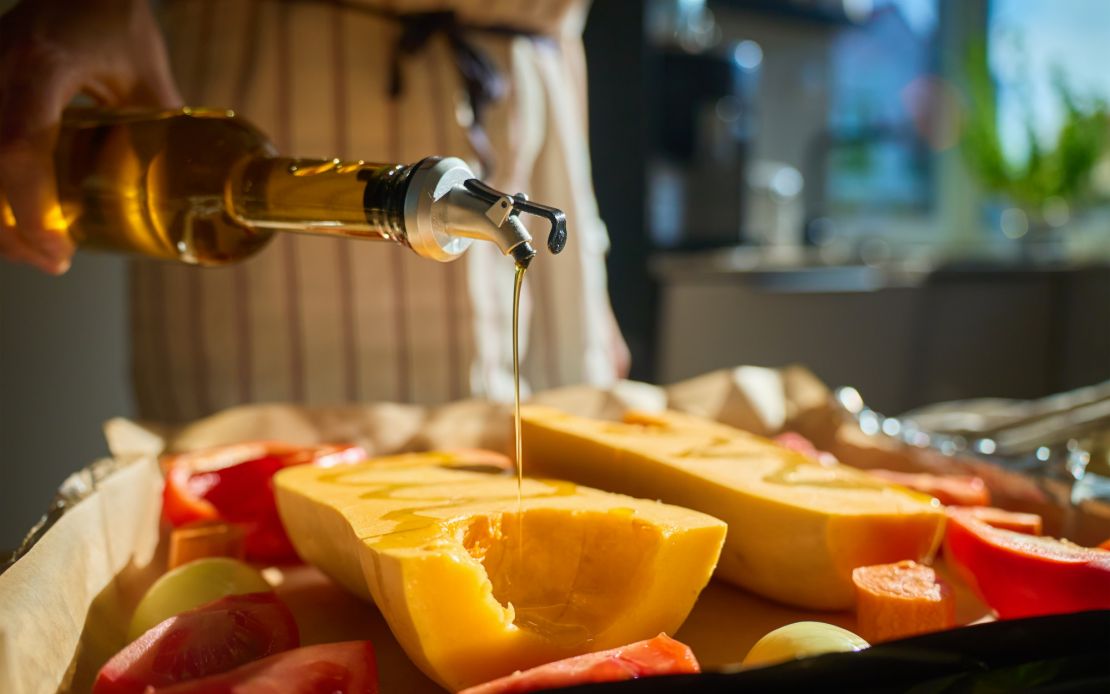
The word comes from "ladi" (λάδι), meaning olive oil, and that tells you everything you need to know. Ladera are vegetables slow-cooked in generous amounts of extra virgin olive oil, usually with tomatoes, onions, garlic, and fresh herbs. They're served warm or at room temperature, never piping hot.
Why ladera matter
In Greece, we don't treat vegetables as an afterthought. A pot of green beans simmered in olive oil and tomato isn't something you serve next to meat. It is the meal. Add some crusty bread to mop up the juices and a block of feta on the side, and you have a complete dinner.
This is everyday Greek home cooking. It's what our mothers and grandmothers made when they wanted something nourishing, satisfying, and (though they wouldn't have used this word) plant-based.
Ladera are also the backbone of Greek Orthodox fasting periods, especially Lent. In many Greek households, Wednesday and Friday are traditionally meat-free days. Ladera became the natural choice for these days, and over time, this habit created a nice balance in the weekly menu. Vegetables twice a week, without even thinking about it.
A taste of home
The dish I missed most when I moved to England was gemista: tomatoes and peppers stuffed with rice and herbs, baked slowly in the oven.
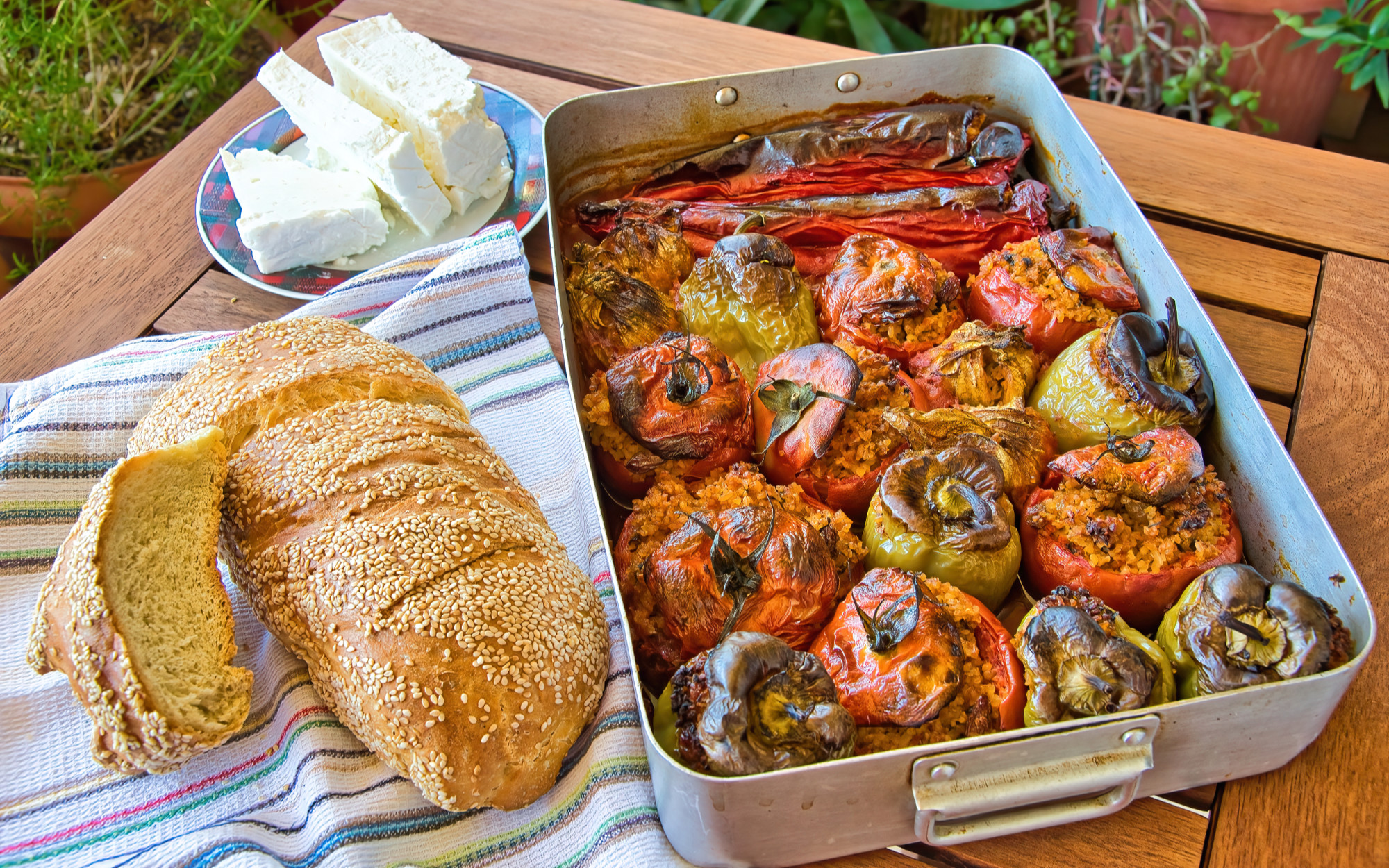
It's a dish full of aromas that takes me back to childhood summers in Rhodes. We'd spend the morning at the beach, and when we came home in the afternoon, my mother had already baked the gemista that morning. By the time we sat down to eat, they had cooled to that perfect temperature (warm but not hot) and the flavours had melded together beautifully.
This is something you'll notice with all ladera: they taste even better the next day. The vegetables absorb the olive oil, the tomatoes soften into a rich sauce, and everything comes together. Don't be surprised if you find yourself eating leftovers straight from the fridge.
What makes a dish "ladera"?
Not every vegetable dish qualifies. Here's what sets ladera apart:
The olive oil is essential, not optional. We're talking about a generous pour, enough that you'll see it pooling in the dish. This isn't the time to be shy. The olive oil isn't just for cooking; it becomes part of the sauce.
Low and slow cooking. These aren't quick stir-fries. Ladera simmer gently until the vegetables are completely tender and have absorbed all the flavours.
Served warm or at room temperature. This is key. Ladera are never served straight from the stove. Letting them rest allows the flavours to develop and the olive oil to coat everything.
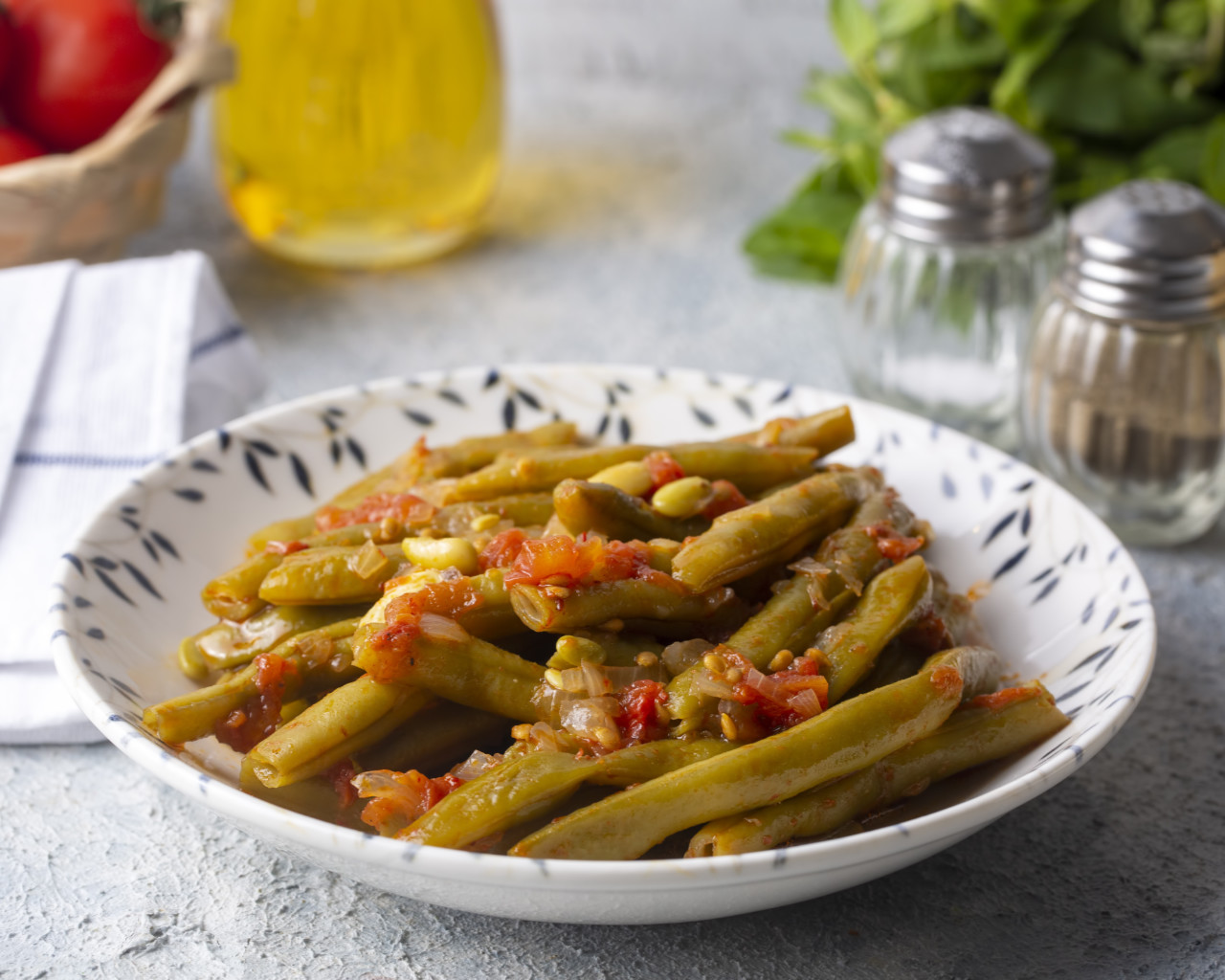
They're a main course. In Greece, a plate of fasolakia (green beans) with bread and feta is dinner. You don't need anything else.
Classic ladera to try
Here are some of the most beloved ladera dishes:
Summer ladera
- Fasolakia: Green beans slow-cooked with tomatoes are perhaps the most iconic ladera. Simple, satisfying, and the perfect way to use summer beans.
- Gemista: Stuffed tomatoes and peppers filled with herbed rice, baked until sweet and caramelised.
- Bamies: Okra braised with tomatoes. If you think you don't like okra, this dish might change your mind.
- Briam: Mixed vegetables (courgettes, potatoes, tomatoes, peppers) roasted together in the oven. Think of it as Greek ratatouille.
- Imam Bayildi: Stuffed aubergines with onions and tomatoes. The name means "the imam fainted", supposedly from pleasure.
- Tourlou Tourlou: A mixed vegetable stew that goes by different names across Greece. In Ikaria, it's called soufiko. And in Rhodes and the Dodecanese islands, we always say the name twice: "What's for dinner?" "Tourlou tourlou!", which roughly means "a bit of everything."
Winter ladera
- Arakas: Pea and potato stew with lemon and dill. Bright, fresh, and surprisingly satisfying.
- Prasorizo: Leeks cooked with rice.
- Lahanorizo: Cabbage with rice and tomato.
Year-round favourites
- Gigantes Plaki: Baked giant beans in tomato sauce. Creamy, rich, and perfect with crusty bread.
- Spanakorizo: Spinach and rice cooked together with plenty of lemon and dill.
- Dolmadakia: Stuffed vine leaves filled with herbed rice. A labour of love that's worth every minute.
- Patates Yiahni: Potatoes braised in tomato sauce.
Where to start
If you've never made ladera before, start with arakas (pea stew). You can find frozen peas year-round; they come together quickly, and they're incredibly forgiving. It's a gentle introduction to this style of cooking.
Once you're comfortable, try fasolakia or gigantes. They take a bit longer but are just as straightforward.
A note on meat
You'll notice that almost all ladera can also be made with meat. Add mince to dolmadakia or gemista, throw some lamb into the green beans, and braise beef with the potatoes.
But the traditional versions are meatless. Greeks developed these recipes to eat well during fasting periods, or simply to take a break from meat. That's part of their beauty. They prove that vegetables, cooked with care and good olive oil, need nothing else.
The secret to great ladera
There's no secret, really. Use good olive oil, the best you can afford. Don't rush the cooking. Let the dish rest before serving.
One tip I always follow: add a little extra olive oil in the last 5-10 minutes of cooking. This way, the fresh oil stays uncooked and keeps its pure flavour, adding another layer of richness to the dish.
And remember: ladera are meant to be simple. A few ingredients, cooked slowly, with respect for the seasons and the vegetables themselves. That's the Greek way.



Comments